Key Takeaways
- Most colds resolve on their own, but seek care for fever above 102°F lasting 48+ hours, difficulty breathing, chest pain, severe throat pain, or symptoms persisting beyond 10 days.
- Virtual urgent care provides 24/7 phone or video access to clinicians who can assess symptoms, prescribe medications, and determine if in-person care is needed—handling 80-90% of cold and flu cases without the wait and exposure of urgent care facilities.
- If you suspect flu (sudden onset, high fever, severe body aches), connect with a clinician within 48 hours when antiviral medications are most effective.
- High-risk individuals—those over 65, pregnant, immunocompromised, managing chronic conditions, or caring for infants under 3 months with fever—should seek earlier medical evaluation to catch complications before they escalate.
You've got a cold. Your nose is running, your throat feels scratchy, and you're wondering: Do I need to see a doctor, or will this pass on its own? Most colds don't require medical care—but some symptoms cross a line where professional evaluation matters.
Here's the practical reality: adults get two to four colds each year. Most resolve on their own within 7-10 days with rest and home care. But certain warning signs—difficulty breathing, high persistent fever, severe throat pain, or symptoms that won't quit after 10 days—indicate something more serious is developing. Knowing when to seek care versus when to stay home can prevent complications and save you unnecessary trips to crowded waiting rooms.
This guide breaks down which cold symptoms need medical attention, how virtual urgent care can help you make that call, and when an in-person evaluation becomes necessary.
Cold Symptoms That Actually Need Medical Care
Not every sniffle requires a doctor. But certain symptoms signal your body isn't handling this on its own. Here's what to watch for:
High Fever That Won't Break
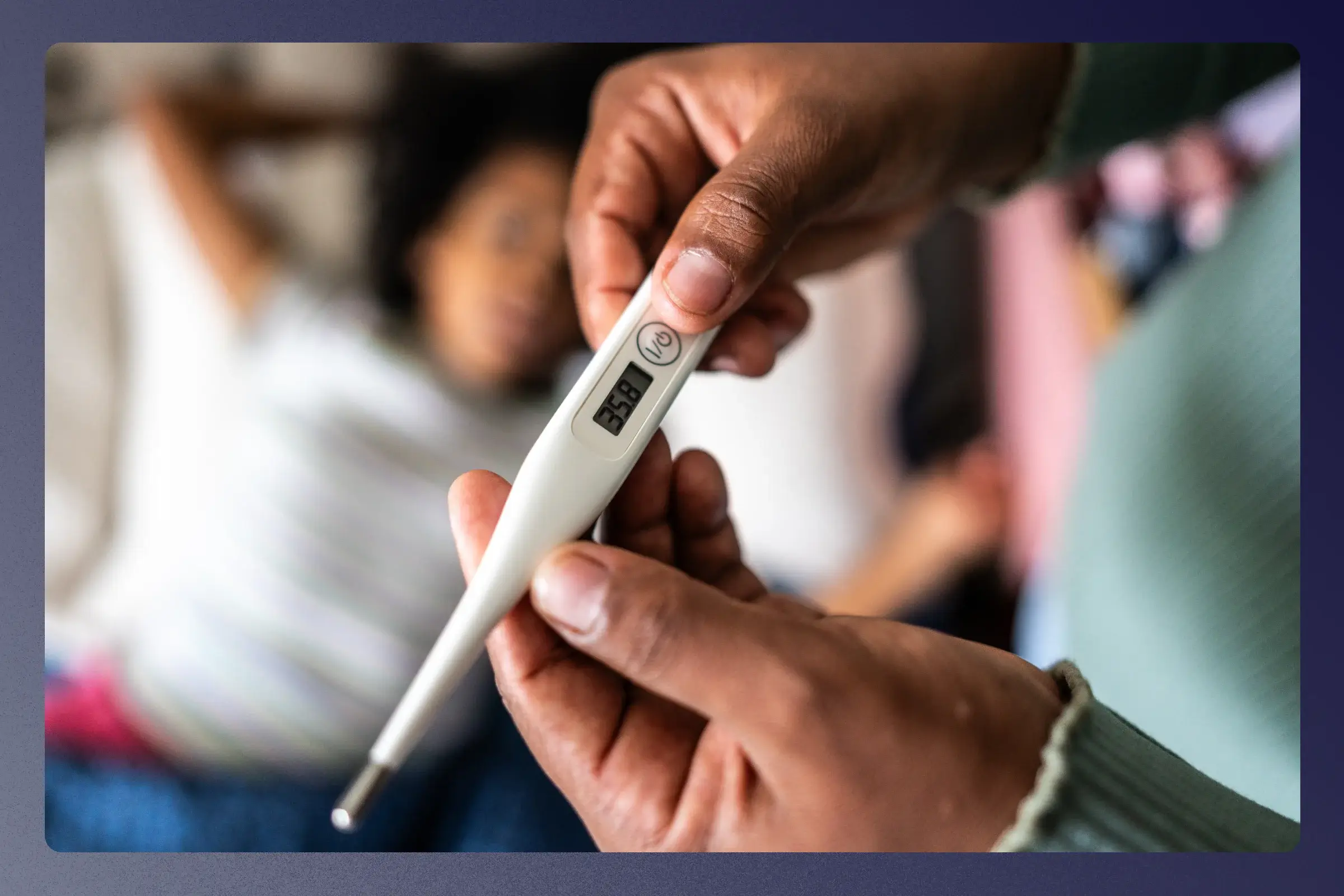
A fever above 102°F lasting more than 48 hours needs evaluation. Adults rarely spike high fevers with common colds—this usually indicates influenza or a bacterial infection developing on top of your viral cold.
Children need closer monitoring. For infants under 3 months, any fever above 100.4°F requires immediate medical attention, regardless of other symptoms.
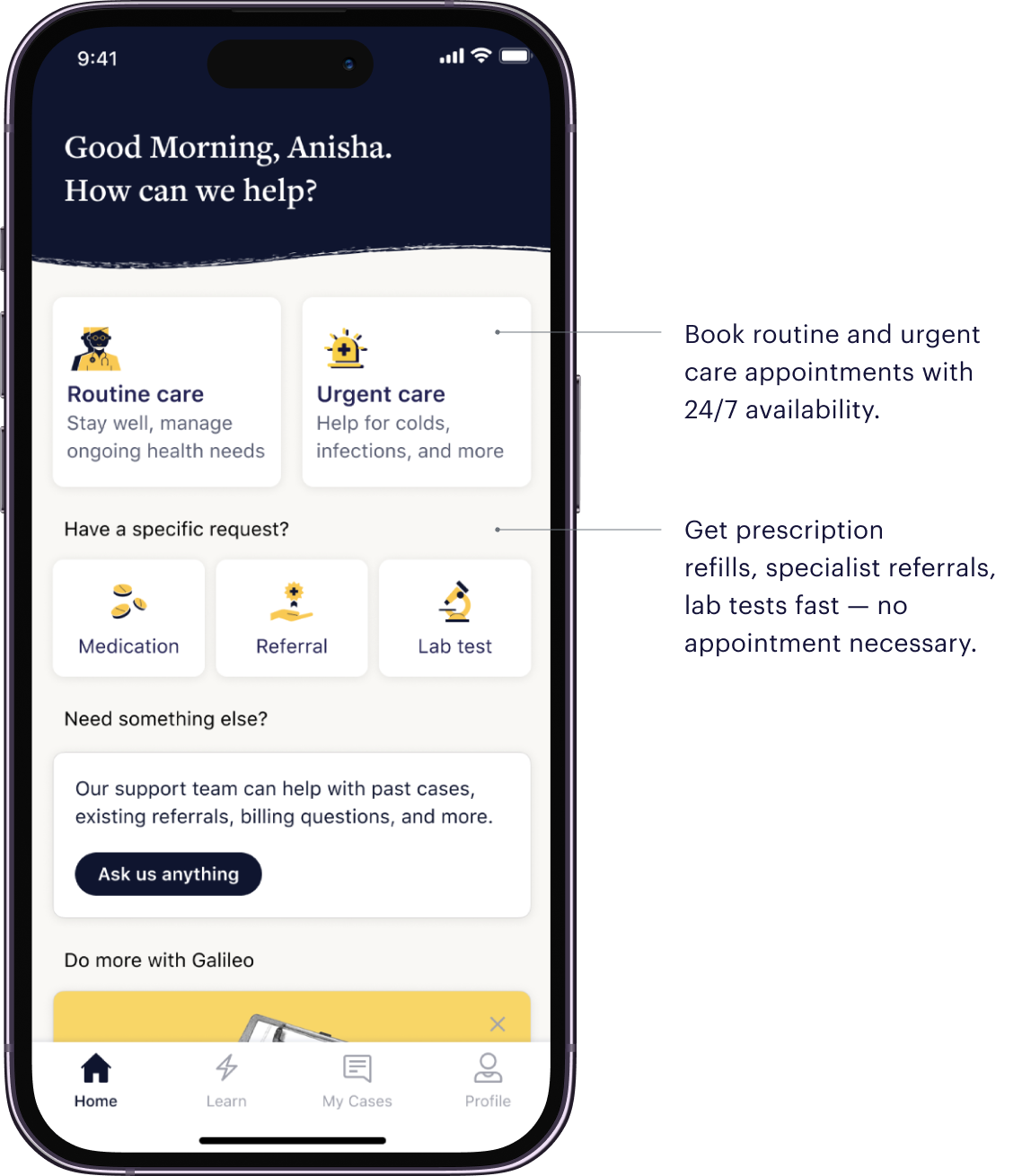
What this means for you: If your fever climbs above 102°F and stays there despite medication, that's your body telling you it's fighting something beyond a typical cold. A Galileo clinician can assess your symptoms through a phone or video visit, determine what's causing the fever, and prescribe medication if needed—or route you to in-person care if the situation requires it.
Breathing Difficulties or Chest Pain
Chest tightness, wheezing, or feeling like you can't catch your breath requires immediate attention. These symptoms might indicate pneumonia, bronchitis, or other respiratory complications.
Sharp chest pain when breathing deeply or coughing could signal pleurisy (inflammation of the lung lining) or other conditions requiring specific treatment. This isn't something to manage with cough syrup from the pharmacy.
When to act: If you're struggling to breathe normally or experiencing chest pain, connect with a clinician right away. Through a virtual visit, your doctor can assess the severity, listen to your breathing, and determine whether you need an in-person evaluation or can be treated at home with prescribed medications.
Severe Sore Throat With Visible Signs
Mild throat irritation is normal with colds. Severe pain that makes swallowing difficult—especially with visible white patches, pus, or swollen lymph nodes—often indicates strep throat or tonsillitis. These bacterial infections require antibiotics; they won't improve on their own.
Red flags include:
- Throat pain so severe that you can't swallow saliva
- Swollen lymph nodes that feel like firm lumps under your jaw
- A sore throat with a sandpaper-like rash (possible scarlet fever)
Galileo clinicians can evaluate your throat through video, assess your symptoms, and prescribe antibiotics if a bacterial infection is likely. For confirmed strep throat, you'll need in-person testing, which your care team can arrange.
Cold vs. Flu: Why the Difference Matters
Understanding whether you're dealing with a cold or flu affects both treatment decisions and whether urgent care is necessary. The flu requires faster intervention—antiviral medications work best when started within 48 hours of symptom onset.
How Colds Typically Progress
Colds develop gradually over 2-3 days:
- Day 1-2: Scratchy throat, mild fatigue
- Day 3-4: Peak congestion, runny nose, maybe low-grade fever
- Day 5-7: Gradual improvement, though cough may linger
- Day 7-14: Most symptoms resolved, occasional lingering cough
Most cold symptoms stay "above the neck"—sneezing, stuffy nose, mild headache. You feel lousy but functional.
When Flu Symptoms Hit Different
The flu announces itself suddenly and affects your whole body:
- High fever (often 101-104°F) that lasts 3-4 days
- Severe body aches and chills
- Extreme fatigue that keeps you in bed
- Dry cough and chest discomfort
- Headache and sometimes nausea
According to the CDC, flu complications can turn serious quickly, particularly for people over 65, pregnant women, young children, and those with chronic conditions like diabetes or heart disease.
What this means: If you wake up feeling like you've been hit by a truck—high fever, severe aches, extreme fatigue—that's likely flu, not a cold. Connect with a clinician within the first 48 hours. If you're in a high-risk group or developing complications, we'll route you directly to in-person care or arrange an in-home visit.
{{blog-image}}
Warning Signs That Require Urgent Evaluation
Some symptoms that seem manageable initially can signal serious complications developing. Here's when to seek care rather than waiting it out:
Symptoms Persisting Beyond 10 Days
Most viral infections improve within a week. If your symptoms persist beyond 10 days or worsen after initial improvement, you've likely developed a secondary bacterial infection—often a sinus infection requiring antibiotics.
Signs of bacterial sinusitis include:
- Thick, colored nasal discharge (yellow or green)
- Facial pain and pressure that worsen when bending forward
- Tooth pain in your upper jaw
- Reduced sense of smell
Persistent symptoms also warrant checking for other conditions like allergies or chronic sinusitis.
Dehydration and Extreme Weakness
Severe vomiting, inability to keep fluids down, or extreme weakness preventing normal activities requires evaluation. Dehydration can escalate quickly, especially in children and elderly adults.
Watch for:
- Dark urine or decreased urination
- Dizziness when standing
- Dry mouth and extreme thirst
- Confusion or irritability
If you're struggling to stay hydrated or feel too weak to function, connect with a clinician. Virtual urgent care can assess your hydration status and determine if you need IV fluids at an in-person facility or can manage at home with an oral rehydration plan.
Ear Pain or Severe Sinus Pressure
Sharp ear pain, especially with fever or hearing changes, often indicates an ear infection. These bacterial infections won't clear without antibiotics.
Severe sinus pressure causing facial swelling, vision changes, or headaches that don't respond to over-the-counter pain relievers also requires professional evaluation. While more common in children, adults with weakened immune systems or chronic sinus problems face these complications too.
Galileo's integrated care model means proper follow-up for these conditions—not just a one-time prescription, but ongoing monitoring to ensure the infection clears and doesn't become chronic.
Why Virtual Urgent Care Works Well for Cold Symptoms
For most cold and flu symptoms, virtual urgent care offers faster access and better outcomes than driving to an urgent care center while you're feeling terrible.
Same-Day Assessment Without the Wait
When you're sick, the last thing you want is to sit in a waiting room for 45 minutes, exposed to other illnesses. With Galileo's 24/7 virtual urgent care, you can connect with a clinician through phone or video within minutes—not hours or days.
Your clinician will:
- Assess your symptoms through conversation and visual examination
- Determine if what you're experiencing is a cold, flu, or something requiring additional intervention
- Prescribe medications if needed and send them to your preferred pharmacy
- Create a recovery plan with specific guidance on what to watch for
- Follow up to ensure you're improving
When In-Person Care Becomes Necessary
Virtual care handles 80-90% of urgent cold and flu symptoms effectively. But sometimes you need hands-on evaluation or testing. Your Galileo care team will route you to in-person care when:
- You need diagnostic testing (chest X-ray, throat culture)
- Your symptoms suggest a condition requiring physical examination
- You're in a high-risk group and developing concerning symptoms
- You need IV fluids or other treatments that are not manageable at home
Cost and Access Advantages
Virtual urgent care typically costs less than in-person urgent care visits. Many insurance plans cover virtual visits with lower copays than facility-based care. For uninsured patients, Galileo offers transparent pricing—no surprise bills, no facility fees.
More importantly, you get care when you need it, not when the urgent care center has availability. Sick at 2 AM on Sunday? Connect with a Galileo clinician right then.
How to Decide Whether You Need a Virtual Visit, Urgent Care, or the Emergency Room
Here's a practical framework for making the call:
Start with a virtual visit if you have:
- Moderate cold symptoms lasting less than 10 days
- Flu-like symptoms within the first 48 hours
- Sore throat without severe swallowing difficulty
- Low to moderate fever (under 103°F)
- General illness without breathing problems
Go to urgent care for:
- Symptoms requiring testing (strep, flu confirmation)
- Moderate dehydration needing IV fluids
- Ear or sinus infections needing physical examination
- Symptoms your virtual care team recommends be evaluated in person
Go to the emergency room for:
- Severe difficulty breathing or shortness of breath
- Chest pain or pressure
- Confusion or severe altered mental state
- Signs of severe dehydration (no urination for 12+ hours, extreme weakness)
- Bluish lips or face
- Persistent pain or pressure in the chest or abdomen
- Fever above 103°F that won't respond to medication
Still unsure? That's exactly why 24/7 virtual urgent care exists. A Galileo clinician can help you make this decision based on your specific symptoms and medical history.
What Actually Helps When You Have a Cold
While you're deciding whether you need medical care, here's what works for symptom management at home:
Evidence-based approaches:
- Rest (your body needs energy to fight infection)
- Fluids (water, warm tea, broth—stay hydrated)
- Humidified air (helps with congestion and cough)
- Saline nasal rinses (reduce congestion without medication)
- Over-the-counter pain relievers for aches and fever (acetaminophen or ibuprofen)
What doesn't work:
- Antibiotics for viral colds (they won't help and can cause side effects)
- Most over-the-counter cold medications for young children are often ineffective and potentially harmful.
- "Boosting your immune system" with supplements (no strong evidence for most)
If you're unsure which over-the-counter medications are safe for your situation—especially if you're pregnant, have chronic conditions, or are caring for a young child—ask. A quick virtual visit can clarify what's safe and what might actually help.
When to Seek Care for High-Risk Individuals
Certain people need earlier medical evaluation when cold symptoms develop. Seek care sooner if you're:
- An infant under 3 months with any fever above 100.4°F
- Over 65 with new respiratory symptoms, especially with underlying heart or lung conditions
- Pregnant with a high fever or symptoms affecting your ability to eat or stay hydrated
- Immunocompromised from conditions like diabetes, cancer treatment, or medications that suppress immune function
- Managing chronic respiratory conditions like asthma or COPD—even mild colds can trigger serious exacerbations
For these situations, early virtual assessment helps catch problems before they escalate. Your care team can monitor you more closely and intervene faster if complications develop.
When to Act
Most colds don't require medical care—just rest, fluids, and patience. But know when to seek help:
- High fever (above 102°F) lasting more than 48 hours
- Difficulty breathing or chest pain
- Severe throat pain with visible changes
- Symptoms persisting beyond 10 days or worsening after improvement
- Signs of dehydration or extreme weakness
Virtual urgent care through platforms like Galileo provides a convenient initial assessment. Connect with a clinician 24/7 through phone or video, get same-day prescriptions when needed, and receive clear guidance on whether in-person care is necessary. This approach reduces unnecessary exposure in waiting rooms while ensuring you get appropriate treatment when symptoms cross into concerning territory.
When in doubt, ask. That's what we're here for—helping you make informed decisions about your health, day or night.

%20(1).webp)













.webp)