How to Manage and Get Rid of Seasonal Allergies

Don’t let congestion, sneezing, or itchiness get the better of you.

Spring is in the air, and so are seasonal allergies. But you don’t have to let congestion, sneezing, and itchiness get the better of you - here’s how you can stay on top of your symptoms this spring. 

Do… 

Mind your exposure

Check local pollen counts, and reduce your outdoor time when pollen counts are at their highest. Typically, this is in the mornings and early afternoons. On days with high pollen, it’s recommended to stay indoors as much as possible. 

Use nasal irrigation 

Saline nasal solutions (made up of salt and warm water), work to flush pollen from nasal passages and can minimize allergy symptoms. If you find sprays irritating, you can also gargle a saline solution. 

Talk to a doctor

Allergies impact people in different ways, and symptoms don’t look the same for everybody. Work with your provider to understand your specific triggers and the best care plan. 

Don’t…

Neglect household cleanliness

A clean and tidy living space goes a long way in controlling symptoms. Keep your windows closed, clean high-touch surfaces, and wash bedding regularly to minimize indoor allergens.

Hang your laundry outside 

Pollen can easily stick to and settle on clean clothes and bedding. Stick to an indoor drying rack or clothes dryer to prevent bringing pollen indoors.

Ignore the symptoms

Ultimately, it’s your immune system that determines your allergic reaction. So even if you’ve never experienced allergies, this can change as your immune system fluctuates - if you’re experiencing symptoms, don’t write them off. 
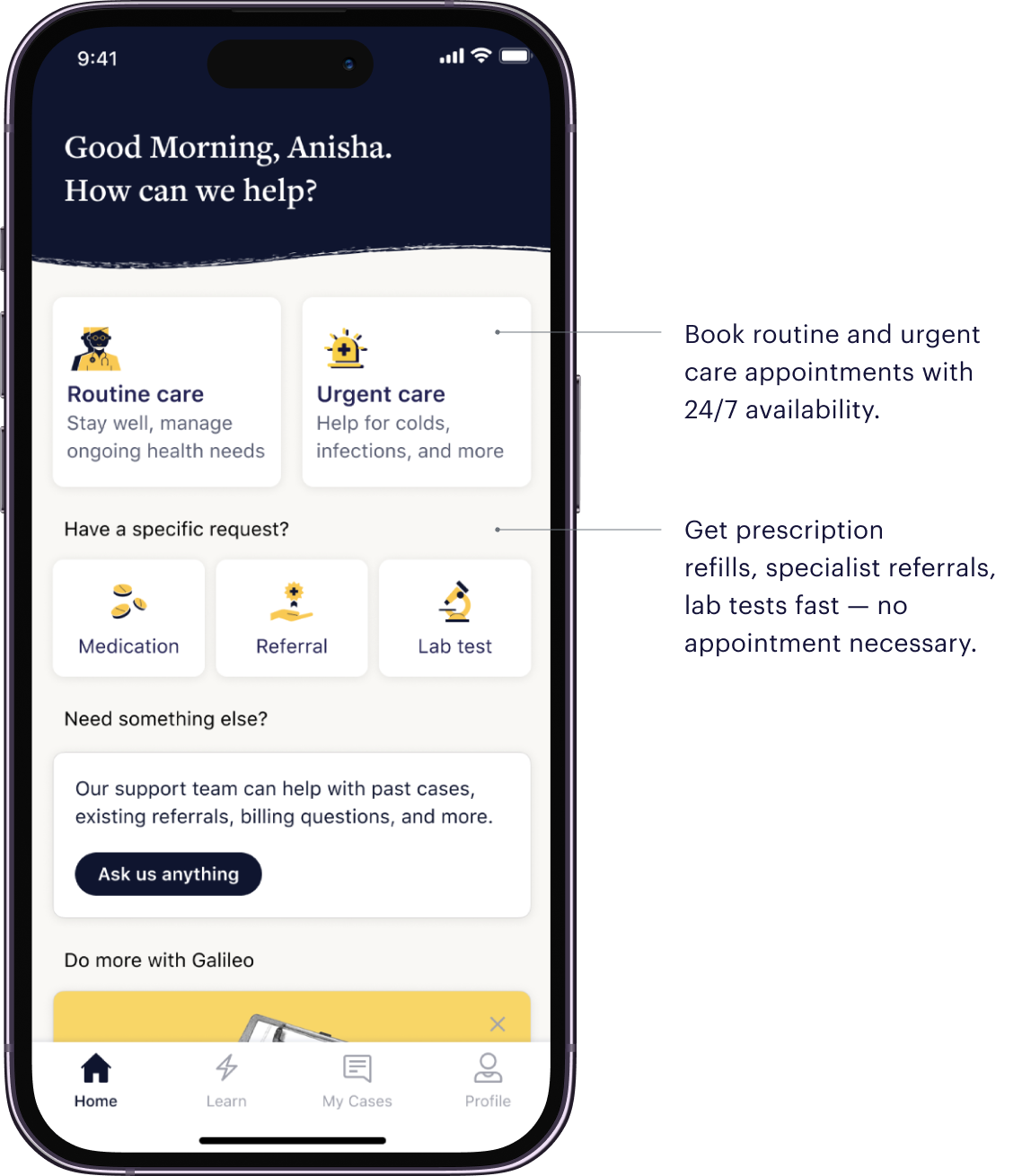
Your Trusted Medical Partner

Our team-based approach combines accessibility, affordability, and continuity. Instead of one-off visits, you have a dedicated care team that knows your history and supports you over time.

More from the blog

Timeline of Flu Contagiousness in Healthy Adults

Most healthy adults follow a similar flu contagious timeline:
Not all virtual primary care services are the same. Here’s how we stand out from other leading platforms.
Stage
Timeline
Contagious?
Incubation (exposure) period
Days 0–3
Yes, starting about 24 hours before symptoms
Symptoms begin
Day 1
Very contagious
Peak illness
Days 2–4
Most contagious
Symptoms improving
Days 5–7
Contagiousness decreases
Recovery
Day 7+
Most adults are no longer contagious

Virtual Care Access Options Without Insurance

Not all virtual primary care services are the same. Here’s how we stand out from other leading platforms.
Access Model
How It Works
Typical Cost
Best For
Pay-per-visit
Pay for each individual consultation as needed
$40-$80 per visit
Occasional urgent needs, generally healthy people who rarely need care
Monthly membership
Flat monthly fee for unlimited primary care access
$50-$150/month for adults, family discounts available
Regular care needs, chronic condition management, families with kids
Employer-sponsored virtual care
Access through your workplace benefits (no insurance required)
Often $0 out-of-pocket
Employees whose companies offer virtual care as a standalone benefit
Community health platforms
Reduced-cost or sliding-scale virtual visits through community programs
Varies by program and income
People who qualify for reduced-cost care based on income
Galileo integrated care
24/7 virtual care 
Varies by employer or individual membership
Comprehensive primary care needs, chronic conditions 
How to Manage and Get Rid of Seasonal Allergies