Key Takeaways
- Many flu symptoms—such as fever, body aches, sore throat, and runny or stuffy nose—can be managed at home.
- Warning signs like difficulty breathing, chest pain, severe dehydration, or persistent high fever require immediate medical care.
- Virtual urgent care providers can evaluate influenza infection through same-day phone or video visits, provide guidance on flu tests, and may prescribe antiviral medication when appropriate.
- People in a high-risk group (older adults, pregnant women, young children, chronic medical conditions) should seek medical care sooner during flu season.
- Virtual urgent care helps determine whether home flu treatment is enough or whether you should visit an urgent care clinic or emergency room.
Each year during flu season, millions of people search for the right level of medical care for flu-like symptoms. Some cases can be treated at home with rest and over-the-counter medications, while other symptoms indicate that you should seek help at an urgent care center or even an emergency department.
Understanding which flu symptoms are mild versus potentially life-threatening helps you make safe decisions—and prevents delays that could lead to serious complications from the influenza virus.
Most people with moderate flu symptoms can recover at home. However, if symptoms worsen, become severe, or you develop certain red flags, urgent evaluation is essential.
Common Flu Symptoms You Can Manage at Home
Many healthy adults can treat mild flu symptoms without rushing to urgent care. The influenza virus typically causes fever, body aches, fatigue, and respiratory symptoms that feel worse than a common cold, but often don’t require professional medical care. Understanding which symptoms you can handle at home helps you avoid unnecessary clinic visits while ensuring you get help when truly needed.
According to the CDC, most healthy adults recover from the flu virus within a few days to less than two weeks.
Fever and Body Aches Relief
Your body's natural response to the flu virus includes raising your temperature to fight off infection. A fever between 100-102°F is common with influenza. You can reduce fever and ease body aches by using acetaminophen or ibuprofen as directed (typically every 4-6 hours).
Keep your room cool, wear light clothing, and use a damp washcloth on your forehead for comfort. If you're shivering, it's okay to use a light blanket, but avoid heavy layers that can further increase your temperature.
Over-the-Counter Medications That Help
Stock your medicine cabinet with acetaminophen or ibuprofen for fever and pain relief. Cough suppressants containing dextromethorphan can quiet that nagging cough, while guaifenesin helps thin mucus so it's easier to clear.
For a sore throat and nasal congestion, throat lozenges and saline nasal sprays provide relief without the rebound effect of decongestant sprays. Antihistamines might help with a runny nose, but can make you drowsy. Avoid using leftover antibiotics–they do not treat viral infections like the flu.
When Mild Symptoms Need Rest and Fluids
Your body needs energy to fight the influenza infection, so don't push through flu-like symptoms. Take time off work or school to rest and prevent spreading the virus to others. Drink enough fluids like water, herbal tea, warm broth, or electrolyte drinks to stay hydrated.
You'll know you're getting enough if your urine stays light yellow. Eat small, nutritious meals even if your appetite is low. Most people with mild symptoms start feeling better within 3-5 days, though fatigue might linger for a week or two.
How Galileo Clinicians Evaluate Flu Symptoms Virtually
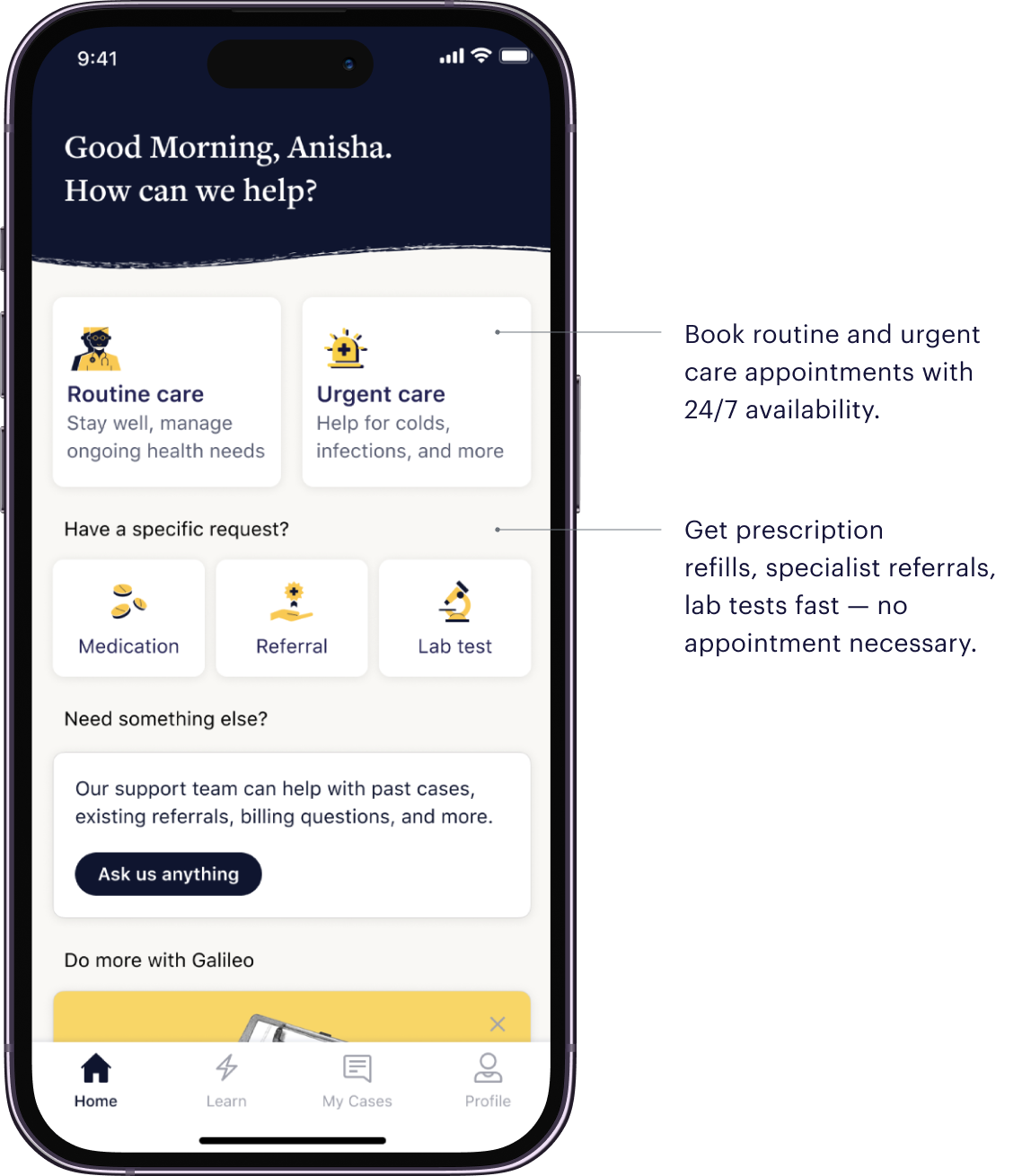
During a virtual visit, Galileo clinicians can assess your symptoms and help determine whether you need home care, an urgent care clinic, or emergency care. This evaluation may include:
- Reviewing your fever pattern, cough, congestion, and energy level
- Assessing risk factors like age, pregnancy, or chronic medical conditions
- Watching for respiratory distress or trouble breathing
- Guiding self-checks for hydration and worsening symptoms
- Deciding whether a flu test (including rapid or PCR testing) is needed
- Providing supportive care strategies
- Prescribing antiviral treatment when appropriate
- Finding urgent care providers nearby if diagnostic tests or in-person exams are required
Virtual urgent care cannot replace chest X-ray imaging, but your clinician will guide you when these tests are necessary.
{{blog-image}}
Warning Signs That Mean Seek Medical Care Now
Some symptoms suggest the flu is becoming dangerous. These warning signs require urgent care or emergency medicine evaluation.
Difficulty Breathing or Chest Pain
Trouble breathing, worsening shortness of breath, or chest pain can indicate pneumonia or other life-threatening flu symptoms. Blue lips, fast breathing, or inability to speak full sentences require emergency care immediately.
Virtual urgent care can help triage breathing concerns, but severe respiratory distress needs in-person evaluation at an emergency room.
Persistent High Fever Above 103°F
A persistent high fever that doesn’t improve with medication may signal complications from the influenza virus. High fever paired with chills, weakness, or confusion is a reason to seek medical care right away.
Severe Dehydration and Dry Mouth
Flu-related vomiting or fatigue can cause severe dehydration. Symptoms include:
- Dry mouth
- No urination or very dark urine
- Dizziness
- Rapid heartbeat
In these situations, urgent care centers may provide IV fluids to help you recover safely.
High-Risk Groups Who Need Medical Evaluation Sooner
People in a high-risk group should never wait for symptoms to worsen. The CDC notes that early antiviral treatment is especially important for:
- Adults over 65
- Pregnant women
- People with asthma, diabetes, heart disease, kidney disease, or weakened immune systems
- Children under 5
- Individuals with obesity or neurologic conditions
For these individuals, complications from the flu can become a medical emergency quickly. Virtual platforms like Galileo offer 24/7 cold and flu care via app and clinics, providing rapid evaluation and same-day antiviral prescriptions when appropriate for these vulnerable populations.
Knowing When to Seek Care for Flu Symptoms
Knowing when to seek urgent care helps you make safe, timely decisions during flu season. While most healthy adults can manage mild flu symptoms at home with rest and over-the-counter medications, certain warning signs require immediate medical attention.
High-risk groups, including pregnant women, young children, older adults, and those with chronic conditions, should seek care promptly when flu symptoms appear.
Services like Galileo work with employers and health plans and offer individual memberships, with a simple app-based check-ins, coverage verification, and e-prescriptions when appropriate. Remember that early treatment within 48 hours of symptom onset leads to the best outcomes, so don't wait too long to seek urgent care for flu when concerning symptoms develop.

%20(1).webp)













.webp)