Living with a chronic condition can present new challenges — like adjusting to new routines, losing abilities, and juggling long-term treatment plans with your everyday life. If you have a chronic condition, remember, you’re not alone. According to the CDC, at least 60% of American adults live with at least one chronic condition. Here are 3 practical ways you can manage your condition well.
Set attainable goals for healthier habits
A well-balanced diet and regular exercise is important for your overall well-being. But remember, lifestyle changes take time. Focus on building small changes over time, so you don’t put too much pressure on yourself at once. Remember: you want to build towards habits you can realistically maintain. For example, if your ideal exercise schedule is 5 times a week but you currently don’t work out at all, start small (no one can go from zero to a hundred!). Begin with a simple workout 2-3 times a week. Once you’ve done that consistently, start upping the ante.
Take care of your mental health, too
Managing a chronic condition can be overwhelming — that stress can make your symptoms worse. Boosting your mood with self-care (like yoga, journaling, and meditation) can improve your health. It’s also important to work with a trusted therapist. Mental health professionals can give you individualized advice and help you process any emotions around how your life may change with a chronic condition.
Partner with your primary care provider
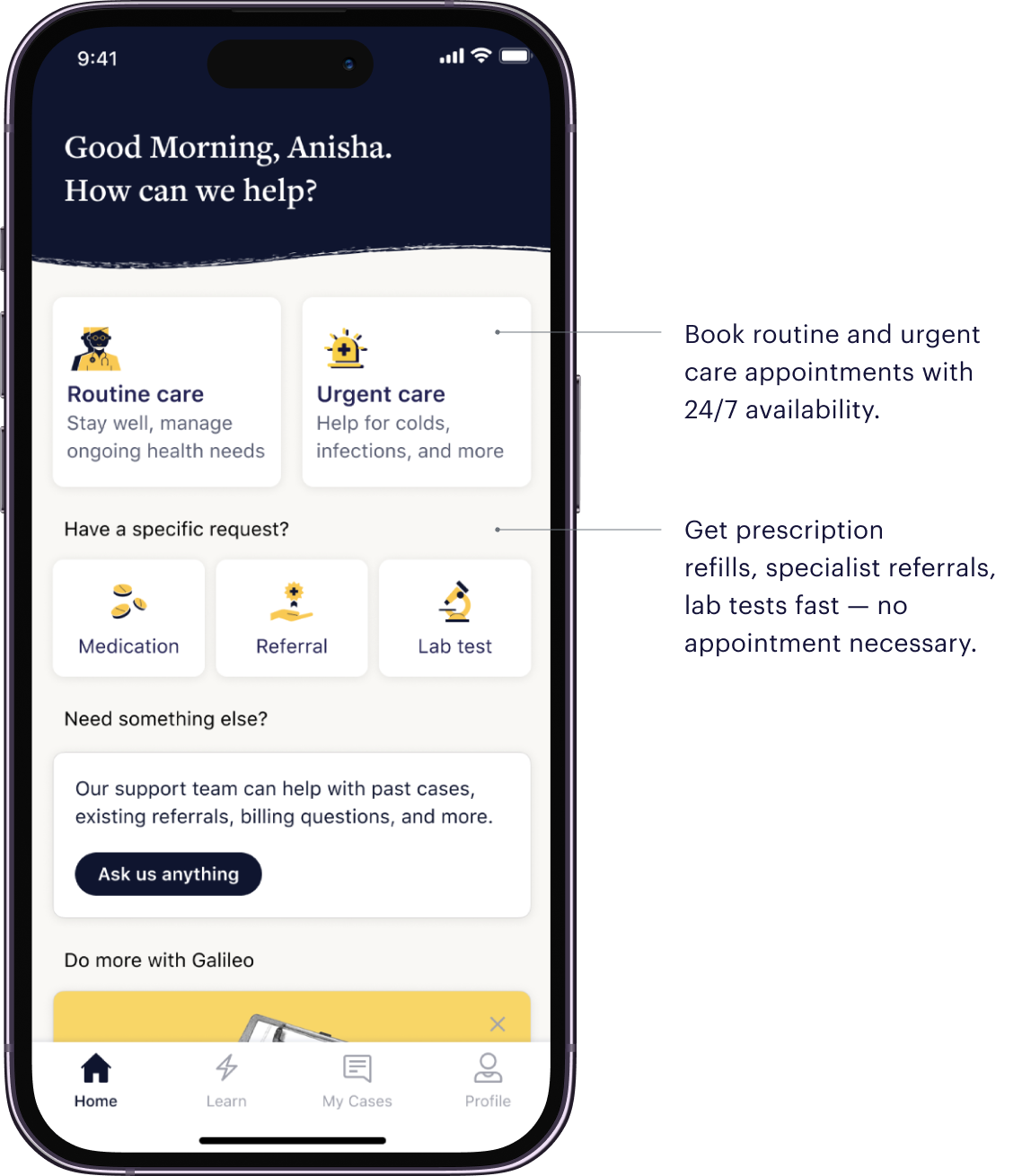
Primary care providers (PCPs) do more than just your annual physical — they're crucial in the day-to-day management of your chronic condition. When you have a strong, honest relationship with your doctor, they can give you a personalized care plan tailored to your unique needs. Regular check-ins also help to keep you on track and ensure your care plan is working for you. Your PCP can also communicate directly with specialists and caregivers to make sure everyone on your care team understands your overall health and can see the big picture.
%20(1).webp)













.webp)