Key Takeaways:
- Most fevers can be safely managed at home with rest, fluids, and over-the-counter fever reducers.
- Adults should seek urgent care for fevers of 103°F or higher, especially if symptoms worsen or persist.
- Any fever in infants under 3 months is a medical emergency and requires immediate evaluation.
- Warning signs like difficulty breathing, confusion, dehydration, or severe pain signal the need for urgent or emergency care.
- Virtual urgent care can help assess fevers quickly and determine whether in-person treatment is necessary.
A fever of 103°F strikes at 2 AM, and parents face a familiar dilemma: rush to urgent care or manage it at home? Understanding when a fever requires immediate medical attention can save both time and unnecessary worry.
Most fevers can be safely treated at home with rest, fluids, and over-the-counter medications. Adults should seek urgent care when their temperature exceeds 103°F for more than two days, or if they experience severe symptoms like difficulty breathing, confusion, or persistent vomiting. For children, the threshold varies by age—infants under three months need immediate care for any fever above 100.4°F, while older children can often wait unless their fever surpasses 104°F or they show signs of dehydration.
Virtual care platforms have transformed fever management, offering quick assessments through video consultations that help determine if in-person care is necessary.
What Temperature Is Considered a Fever?
Understanding what counts as a fever helps you make better decisions about seeking medical care. A fever occurs when your body temperature rises above its normal range, typically as your immune system fights off an infection.
Normal body temperature ranges
Your normal body temperature fluctuates throughout the day, usually staying between 97°F and 99°F. Most doctors consider a fever to be a temperature of 100.4°F (38 degrees Celsius) or higher when measured orally.
Body temperature naturally dips in the early morning and peaks in late afternoon. Age, activity level, and even the weather can affect your baseline temperature. Infants and young children tend to run slightly warmer than adults, while older adults often have lower baseline temperatures.
How to take your temperature accurately
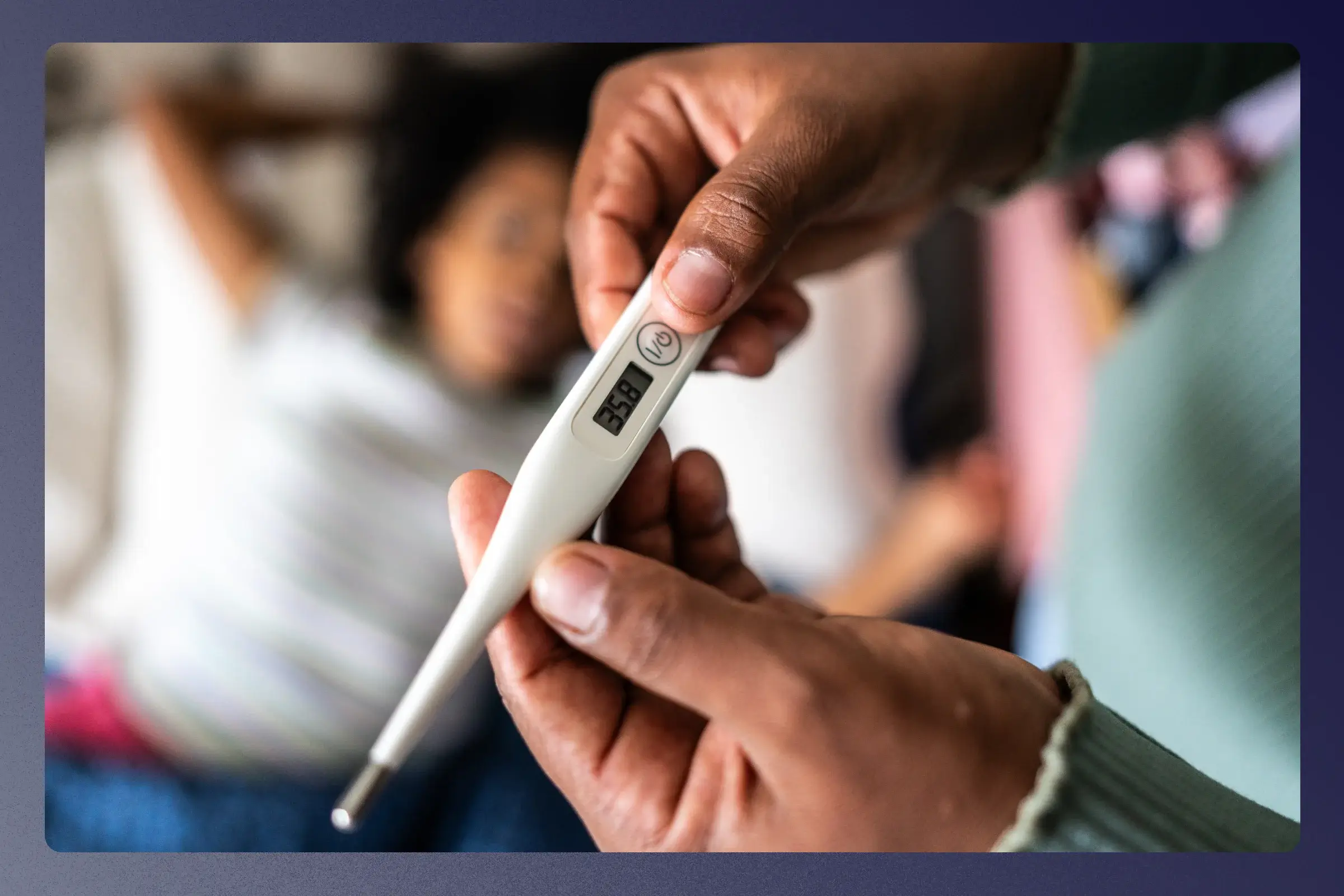
Getting an accurate reading starts with choosing the right thermometer and method. Digital thermometers work best for most situations. For adults and children over three, oral readings provide reliable results. Place the thermometer under your tongue, close your mouth, and wait for the beep. Rectal temperatures run about one degree higher than oral readings and give the most accurate results for infants.
Forehead and ear thermometers offer convenience but may be less precise. Wait at least 15 minutes after eating, drinking, or exercising before taking your temperature. Clean your thermometer with rubbing alcohol before and after each use.
{{blog-image}}
When Should You Go to Urgent Care for a Fever?
Knowing when a fever requires professional medical attention can prevent complications and provide peace of mind. While most fevers resolve on their own, certain situations call for prompt medical evaluation.
High fever warning signs
Adults should head to urgent care when fever reaches 103°F or higher, especially if it persists despite taking acetaminophen or ibuprofen. Watch for warning signs like:
- severe headache
- hot, dry skin
- not interested in eating
- stiff neck
- nausea
- Chest pain
- trouble breathing
- persistent vomiting
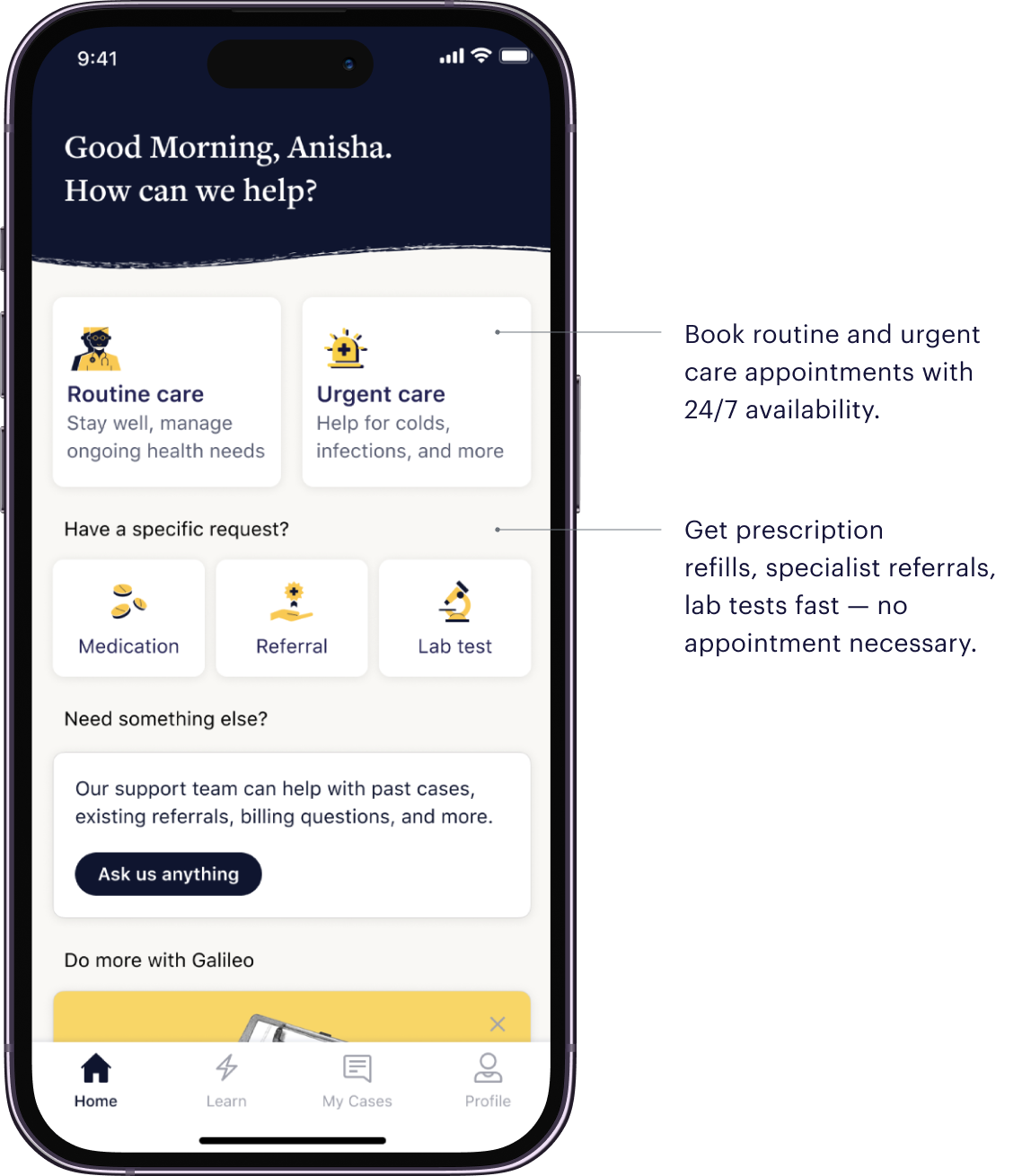
Platforms like Galileo offer 24/7 urgent and primary care through phone and video, where doctors and nurse practitioners can quickly assess whether your fever needs in-person urgent care or can be managed at home.
Fever lasts more than 3-5 days
A fever that sticks around longer than expected often signals your body needs help fighting off an infection. Most viral infections cause fevers that last a few days, but bacterial infections might need antibiotics to clear up.
Recurring fever that comes and goes over several days also warrants medical evaluation. Your urgent care provider will check for underlying causes like urinary tract infections, pneumonia, or other conditions that need specific treatment.
Fever with other symptoms requiring care
Certain symptoms paired with fever always merit a trip to urgent care, including:
- Signs of severe dehydration, such as dry mouth, dizziness, or dark-colored urine
- Pain or burning during urination, which may indicate a urinary tract infection (UTI) that needs antibiotics
- Persistent ear pain or sinus pressure lasting longer than a week
The Galileo app provides nationwide, on-demand fever guidance through voice, video, and chat features, backed by a clinical intelligence platform that helps make fast, consistent decisions about whether you need urgent care.
When To Take a Child to Urgent Care for Fever
Children's developing immune systems respond differently to infections, making fever evaluation more nuanced than for adults. Parents need clear guidelines about when to seek medical care versus managing fevers at home.
Fevers in children under 3 months
Any fever in a baby under three months old requires immediate medical attention. At this age, even a temperature of 100.4 degrees taken rectally counts as a medical emergency.
Young infants can't fight infections effectively, and serious conditions can worsen quickly. Don't give fever reducers before seeing a doctor, as this might mask important symptoms. Call your doctor immediately or go to the emergency room rather than urgent care for newborns with any fever.
Warning signs in older children
For children over three months, the fever number matters less than how your child acts. A child with a 102°F fever who's playing and drinking fluids might be fine at home, while one with 101°F who won't wake up properly needs immediate care.
Red flags include difficulty breathing, persistent crying, refusing fluids for over eight hours, or no wet diapers in 12 hours. Stiff neck, severe headache, or confusion requires emergency evaluation.
Online urgent care services through platforms like Galileo connect you to multi-specialty teams who can assess your child's symptoms, direct you to appropriate care when necessary, manage treatment plans, and handle prescriptions, all while maintaining comprehensive medical records for consistent care.
Urgent Care vs Emergency Room for High Fever
Choosing between urgent care and the emergency room affects both your wait time and your wallet. Understanding which facility suits your situation helps you get appropriate care efficiently.
When urgent care is appropriate
Urgent care works well for fevers under 103°F in adults with manageable symptoms. These facilities handle common infections causing fever, like strep throat, ear infections, and UTIs. They can run basic tests, prescribe antibiotics, and provide IV fluids for mild dehydration.
Most urgent care centers see patients within an hour and cost significantly less than emergency rooms. They're ideal when your regular doctor isn't available, but your symptoms aren't life-threatening.
When to go to the emergency room
Emergency rooms become necessary for severe symptoms or vulnerable populations. Adults with fevers above 103°F that won't respond to medication, or any fever with altered mental status, need emergency evaluation.
Infants under three months, people with weakened immune systems, and those with chronic conditions should go to the emergency room for high fevers. Signs of serious infection, like difficulty breathing, severe abdominal pain, or symptoms of meningitis, require emergency care. The emergency room has advanced diagnostic tools and specialists available around the clock for complex cases.
What Will Urgent Care Do for a Fever?
Urgent care centers provide comprehensive evaluation and treatment for fever-related illnesses. Understanding their approach helps set realistic expectations for your visit.
Virtual urgent care appointments
Modern healthcare brings urgent care directly to your home through virtual appointments. During a video consultation, providers review your symptoms, medical history, and current medications. They can diagnose many common causes of fever and prescribe appropriate treatments.
Virtual visits work especially well for straightforward cases where physical examination isn't critical. Galileo's platform excels here, offering round-the-clock access to healthcare providers who use advanced diagnostic tools to evaluate your fever and determine if in-person care is needed.
Treatment plans and prescriptions
Your urgent care visit starts with vital signs and a detailed symptom review. Providers may order rapid tests for strep, flu, or COVID-19 to identify the cause of your fever. Blood work or urine tests might check for bacterial infections.
Based on findings, they'll create a treatment plan that could include antibiotics for bacterial infections, antiviral medications for flu, or supportive care recommendations. They'll prescribe fever-reducing medications if over-the-counter options aren't working.
Before leaving, you'll receive clear instructions about follow-up care and warning signs that would require return visits. Virtual care platforms or apps can handle prescriptions electronically, sending them directly to your pharmacy for convenient pickup.
Managing Fever at Home
Many fevers respond well to home treatment, saving you an urgent care visit while your body fights off infection naturally.
When it's safe to stay home
Adults with fevers under 102°F who feel relatively comfortable can usually stay home. Your fever is often a sign that your immune system is fighting effectively. If you're drinking fluids, urinating regularly, and can rest comfortably, home care typically suffices.
Children over six months who are alert, taking fluids, and have fevers under 104°F can often be managed at home, too. Trust your instincts, though. If something feels seriously wrong, err on the side of caution and seek medical care.
Home remedies and fever reducers
Start with acetaminophen or ibuprofen, following package directions carefully. Alternate between them every few hours if one alone isn't enough. Drink plenty of fluids like water, broth, or electrolyte solutions to prevent dehydration.
Rest gives your body energy to fight infection. Cool washcloths on your forehead or lukewarm baths can provide comfort, but avoid cold baths that might cause shivering. Dress in light layers you can adjust as your temperature changes.
For children, focus on comfort rather than bringing the fever down completely. Keep the room cool and offer favorite fluids frequently. Popsicles count as fluids and might appeal more than water.
Common Causes of Fever
Knowing what triggers fever helps you anticipate its course and know when to worry. Your body raises its temperature to create an inhospitable environment for invaders.
Viral and bacterial infections
Viruses cause most fevers and typically resolve without antibiotics. Common culprits include colds, flu, COVID-19, and stomach bugs. These fevers usually last three to five days and come with symptoms like a runny nose, cough, or body aches.
Bacterial infections like strep throat, ear infections, or UTIs also cause fever but need antibiotics to clear. Bacterial fevers might spike higher and last longer without treatment. They're often accompanied by localized pain, like a severe sore throat or ear pain.
Other conditions that cause fever
Not all fevers are caused by infections. Other possible causes include:
- Inflammatory conditions, such as rheumatoid arthritis, which can lead to recurring fevers
- Medication reactions, including drug fevers triggered by certain antibiotics or blood pressure medications
- Heat exhaustion, which can raise body temperature to dangerous levels
- Recent vaccinations commonly cause short-term, mild fevers
- Serious medical conditions, such as cancer, blood clots, or autoimmune diseases, that may present with unexplained fever
These non-infectious causes often require different evaluation and treatment approaches than viral or bacterial infections, making medical guidance important when the cause of a fever is unclear.
Knowing When a Fever Needs Urgent Medical Care
Deciding when to go to urgent care for a fever doesn't have to cause panic. Adults should seek care for fevers above 103°F, while infants need immediate attention for any fever. Virtual care services now make these decisions easier, providing professional guidance without leaving home.
Remember that fever itself isn't necessarily dangerous, but rather your body's natural defense. Watch for warning signs, trust your instincts, and don't hesitate to seek medical care when symptoms concern you.
Modern urgent care options, both virtual and in-person, ensure you can access appropriate treatment whenever a fever strikes. Like most virtual urgent care providers, Galileo offers comprehensive fever evaluation and treatment coordination, making it easier than ever to get the proper care at the right time.

%20(1).webp)













.webp)